Climate Global is a data & analytics company. We translate world-leading climate and extreme weather models from the insurance and reinsurance industry into financial signals—starting with an Index of U.S. publicly traded equity REITs.
Our Mission
The firm was founded on the premise that climate and extreme weather risks are no longer abstract or distant considerations, but financially material drivers of insurance costs, operating expenses, capital allocation, and long-term asset value.
Climate Global's work sits at the intersection of climate science, insurance analytics, and public markets.
Have you ever asked yourself any of these questions?
- It's easy to feel depressed about climate change — is there any hope?
- How can I "invest in climate change" — whether to make money off it, or protect myself from it?
- Real estate seems like a good asset category for climate-aware investing?
These were the types of questions we were asking ourselves too.
What We Are
- An index administrator and IP owner, not an asset manager
- A methodology-driven analytics firm, not a discretionary allocator
- A translator of physical climate risk into financial signals, not an ESG or supply-chain ratings provider
- A data and model integrator, not a data originator
What We Do Not Do
- Provide investment advice
- Act as a registered investment advisor
- Act as a portfolio manager
- Make security selection decisions outside of rules-based methodologies
- Operate pooled investment vehicles
Climate Global is not a registered investment advisor and does not provide investment advice. Investors should review the prospectus of any specific security before making investment decisions.
Principals
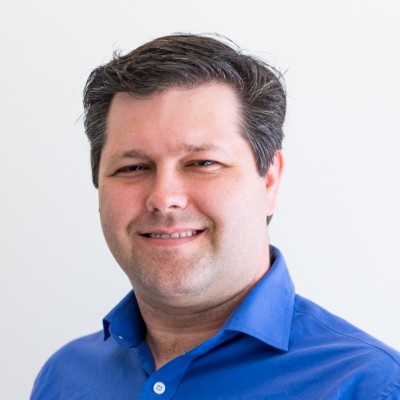
Experienced entrepreneur and technologist. Founder & CEO of Cobalt Robotics, where he raised over $120M and achieved 60% market share. PhD from Georgia Tech in Robotics, with 24+ issued patents.
Travis Deyle is an experienced entrepreneur, technologist & operator. He was Founder & CEO of Cobalt Robotics, where he built a robot-as-a-service platform for security robots. At Cobalt, he raised over $120M in equity & debt financing from Sequoia, Coatue, Bloomberg Beta, Fifth Wall and others. Prior to its acquisition, Cobalt achieved 60% market share across 5 continents, and Travis was instrumental in rolling cutting-edge AI capabilities across perception, mobility, cloud orchestration & human-in-the-loop operations. Travis earned his PhD from Georgia Tech in Robotics and RF sensing; he was a postdoc at Duke University building cyborg dragonflies; and he spent stints at Google[X] and Verily Life Sciences. He holds more than 24 issued patents. At Climate Global, he leverages his track record in technology leadership, fundraising, and AI-driven product innovation to drive next-generation climate investment solutions.
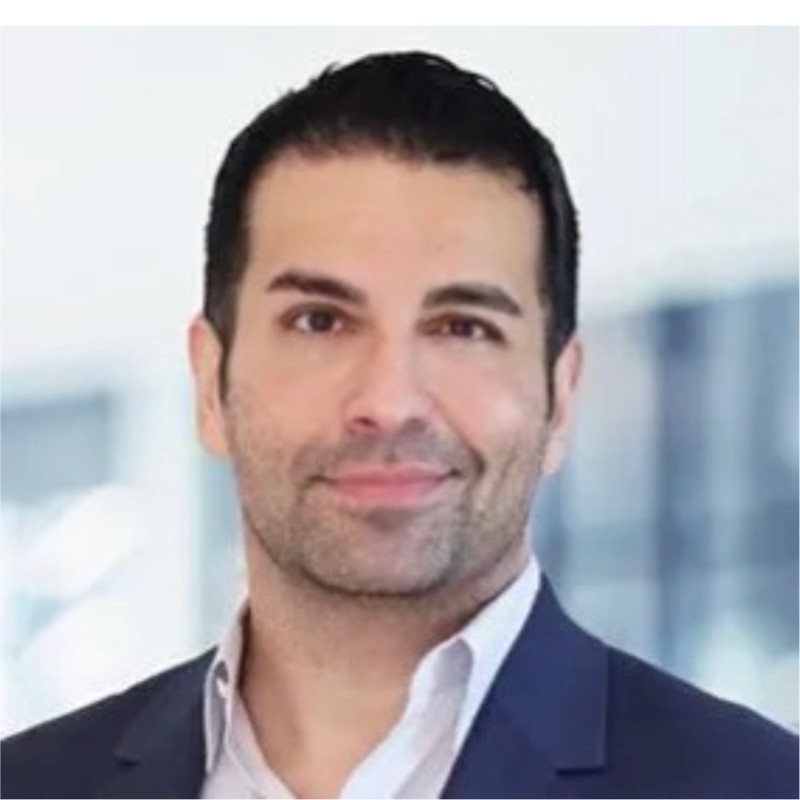
Former EVP of Engineering at RMS (acquired by Moody's for $2B). Led creation of the Intelligent Risk Platform powering global insurance. 60+ patents, MBA from MIT Sloan.
Moe Khosravy previously served as EVP of Engineering at RMS (acquired by Moody's) leading the creation of the Intelligent Risk Platform and its delivery of catastrophe models, data platforms, and software that underpin the global insurance industry. The success of the platform resulted in a $2 billion acquisition by Moody's. Prior to RMS and Moody's, Moe held senior roles at Microsoft (Azure, Search, SQL Server, Windows) and at HP, Intel, VMware, and startups, building high-performance teams focused on scalable software-as-a-service platforms, applied machine learning experiences and marketplaces. Moe holds an MBA from MIT Sloan and is named on 60+ granted patents (90+ pending) and serves on the board of advisors for MIT's Delta V and Equbot.
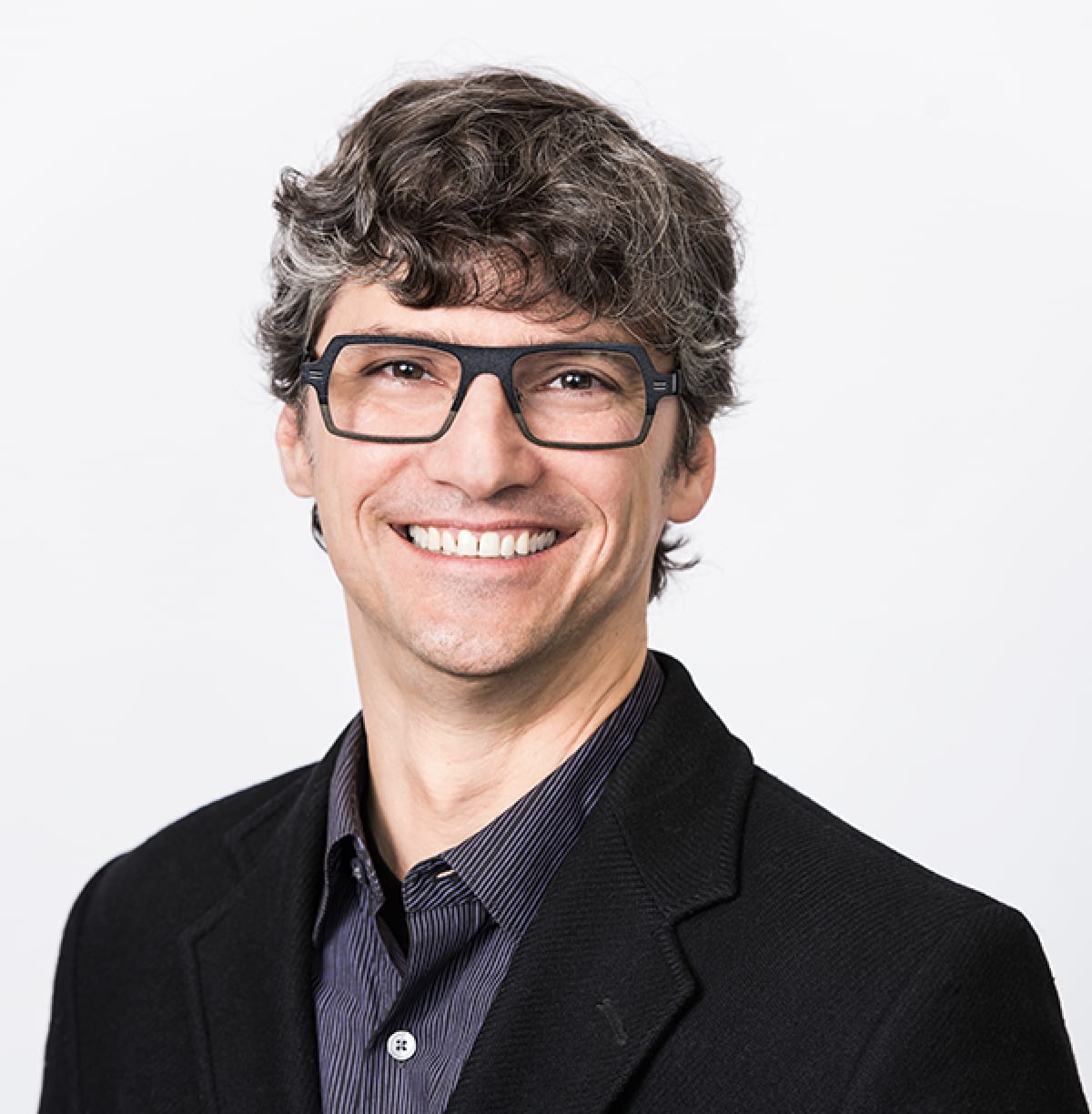
Venture capital investor in deep tech, AI, and robotics. Portfolio includes Zipline, SpaceX, and Commonwealth Fusion. Former Aerodynamics Engineer at Boeing; 14 years as product executive at Atlassian, Coupons.com. MS from Stanford.
Paul Willard is a venture capital investor in deep tech, AI, and robotics, known for his investments in companies such as Zipline, Boom Supersonic, Monarch Tractors, Commonwealth Fusion, and SpaceX. These investments have created numerous benefits to people across the globe. Zipline has been instrumental in rapid delivery of medical products that have reduced maternal mortality in Rwanda by 88%. Commonwealth Fusion is creating abundant, clean, low-cost electricity via fusion. Paul's trademark is not only investing in these companies, but rolling up his sleeves and contributing to the engineering effort in many of them as well. He spent 14 years as a product, design, and marketing executive at tech startups including Atlassian, Coupons.com, and NextCard. Before the internet era, he worked as an Aerodynamics Engineer at Boeing, contributing to projects involving both commercial and military aircraft, including the Boeing 777 and autonomous vehicles such as the now-declassified DarkStar aircraft and the VTOL X-32 aircraft. Willard earned a B.S. in Aerospace Engineering from Iowa State and a Masters in Manufacturing Systems Engineering from Stanford.
Advisors & Partners
Our advisors bring decades of experience from leading institutions in risk modeling, financial services, and technology.
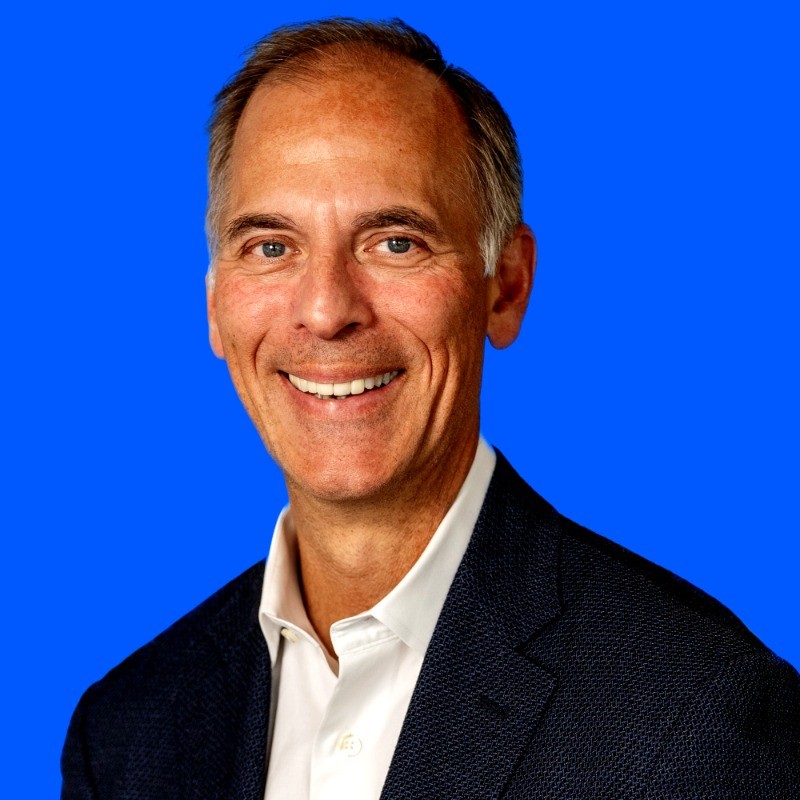
Chief Economist at Moody's Analytics. Co-founded Economy.com. Trusted adviser to policymakers, regularly testifies before Congress. Author of Financial Shock.
Mark Zandi directs economic research at Moody's Analytics, a leading provider of data, models, and analytical tools. He co-founded Economy.com (acquired by Moody's in 2005) and serves on the boards of MGIC and PolicyMap. A trusted adviser to policymakers, Zandi regularly testifies before Congress and briefs corporate boards, trade groups, and media on economic trends. He is the author of Paying the Price and Financial Shock, lauded by The New York Times as a definitive guide to the financial crisis. Host of the Inside Economics podcast, Dr. Zandi holds a B.S. from Wharton and is widely cited for his clear, actionable insights.
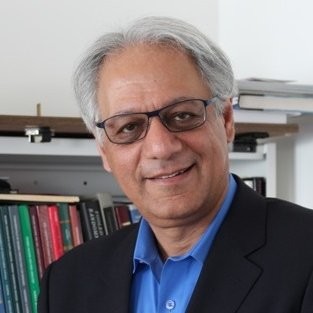
Chief Risk Modeling Officer at Moody's RMS. 30+ years in catastrophe modeling. Leads the largest interdisciplinary risk modeling team in the industry. PhD from Stanford.
Mohsen Rahnama leads all model and data product development as Chief Risk Modeling Officer at Moody's RMS. With over 30 years in structural engineering, catastrophe modeling, and risk assessment, he oversees the largest interdisciplinary team in the industry. Rahnama spearheads the RMS Horizons series, publishes extensively, and collaborates with global research institutions. Under his guidance, RMS models inform decisions across perils, geographies, and use cases—from extreme weather to emerging climate risks. He holds an M.S. and Ph.D. in earthquake and structural engineering from Stanford University and is a frequent speaker at scientific and industry conferences on resilience and risk science.
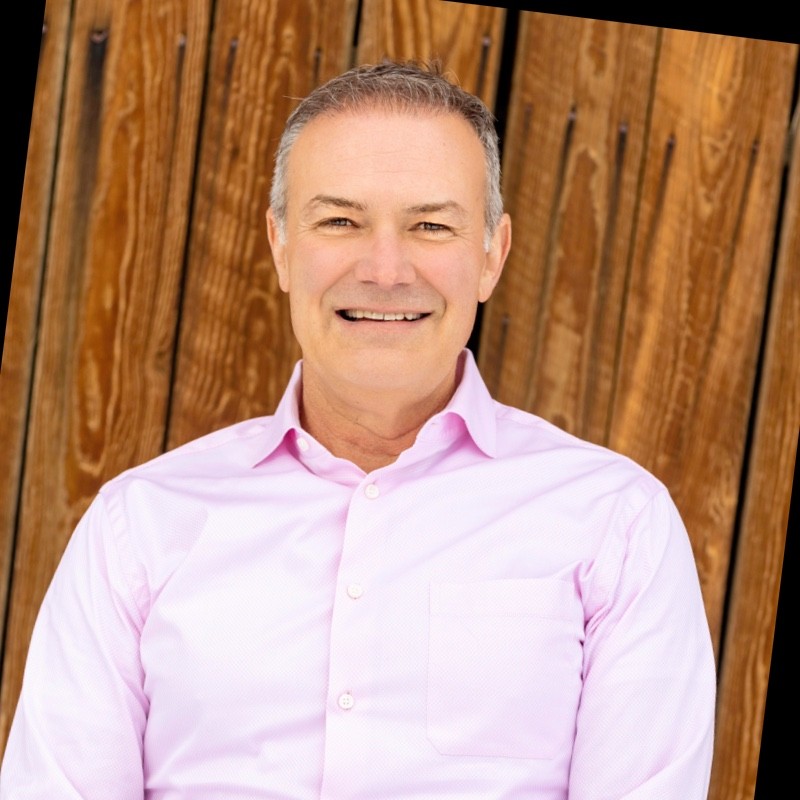
Digital transformation strategist. Former EVP of Digital Distribution at Fidelity (2010-2020). 25+ years modernizing financial services platforms.
Richard Blunck is a digital transformation and fintech strategist with 25+ years in financial services and technology. As EVP of Digital Distribution at Fidelity (2010-2020), he modernized the firm's platform, launching mobile-first investing, personalized experiences, and scalable infrastructure that drove customer engagement and satisfaction. He previously served as CMO (2013-2015), shaping brand strategy during rapid digital growth. Blunck advises on emerging risks and global challenges, particularly at the intersection of climate risk, real estate, and financial innovation.
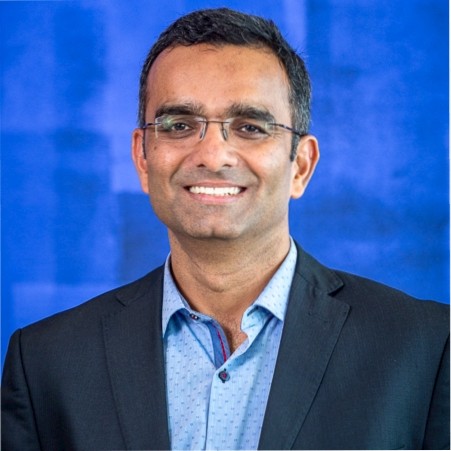
Head of RMS Analytical Services at Moody's. 20+ years in insurance and technology. Leads global team providing modeling support and risk advisory.
Alok Kumar heads RMS Analytical Services at Moody's, leading a global team providing modeling support, expert insights, and risk advisory to insurers and financial institutions. With 20+ years in insurance and technology, he excels at operational leadership, strategy execution, and talent development. Kumar aligns cross-functional initiatives, scales analytic services, and ensures clients maximize value from RMS solutions. A champion of global teamwork, he has built high-performing cultures across regions and functions, positioning Moody's as a trusted partner in navigating complex, interconnected risk challenges.
Our Beliefs
The Pale Blue Ark
Thinking in deep time
Earth is a pale blue dot — a closed, irreplaceable spaceship moving through a vast universe. Life began here roughly 4 billion years ago, and over that time evolved into a complex, resilient biosphere capable of producing intelligence and self-awareness. Humanity is a recent outcome of this process, not separate from it. Long-term thinking follows naturally from this perspective. Stewardship is practical: the planet is rare, slow to rebuild, and easy to damage.
Capital with Memory
Preserving value while shaping outcomes
Capital stores value across time, and real estate has long been one of its most durable forms. Capital also sends signals. Where it flows influences what gets built, maintained, adapted, or neglected. Allocating capital toward climate-resilient real assets is a rational response to known physical risks and a way to preserve long-term value. Index-based approaches make it possible to align durability, efficiency, and returns systematically.
Innovation in a Path-Dependent World
Realism without despair
Human activity now measurably shapes planetary systems. The consequences include ecological loss, declining biodiversity, and stressed natural systems — outcomes driven by accumulated, path-dependent decisions. Acknowledging this reality does not require pessimism. Life adapts, nature is resilient, and innovation continues to advance — from energy systems to buildings, materials, and infrastructure. Loss is real, but progress is also real.
Science Matters
Better evidence, better decisions
Good decisions depend on evidence. Science matters as a method for connecting models to reality. Climate risk is most useful when theoretical hazards link to historical events, observed losses, and real economic outcomes. Clear measurement improves decision-making, enabling earlier adaptation and more efficient allocation of resources.
Want to Work With Us?
We're building the future of climate-aware investing. Get in touch to learn more.