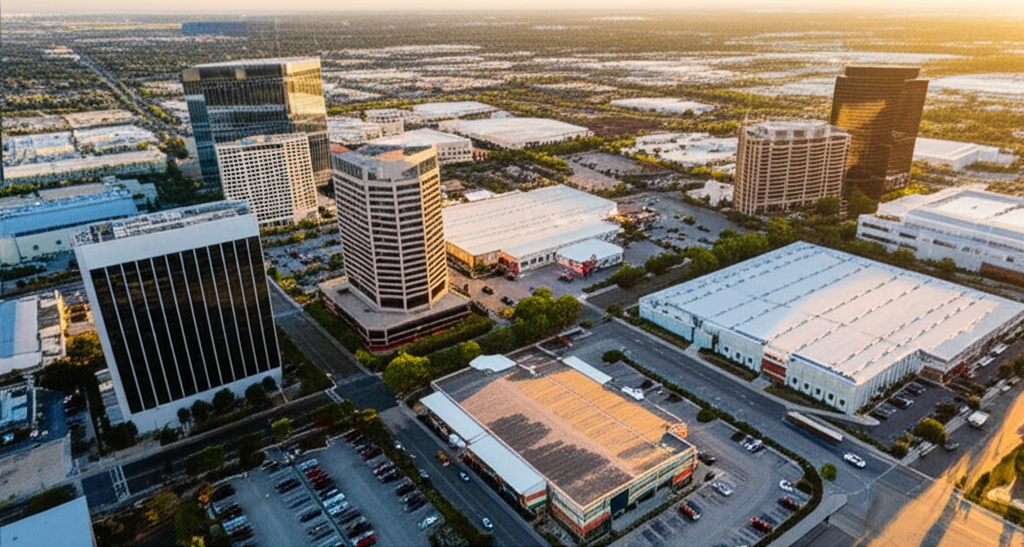
Real Estate Investment Trusts (REITs) own, operate, or finance income-producing real estate. They are the backbone of modern real estate investing, collectively owning trillions of dollars in income-producing assets—from apartment buildings and hospitals to data centers, retail centers, and more.
REITs provide an easy way for investors to get exposure to hard assets—but that also means they face physical climate and catastrophe risks as real factors that can drive up insurance costs, operating expenses, capital expenditures, and even impact financing and valuation.
What Are REITs?
REITs provide an accessible way for investors to gain exposure to real estate assets through publicly traded securities. The U.S. REIT market includes:
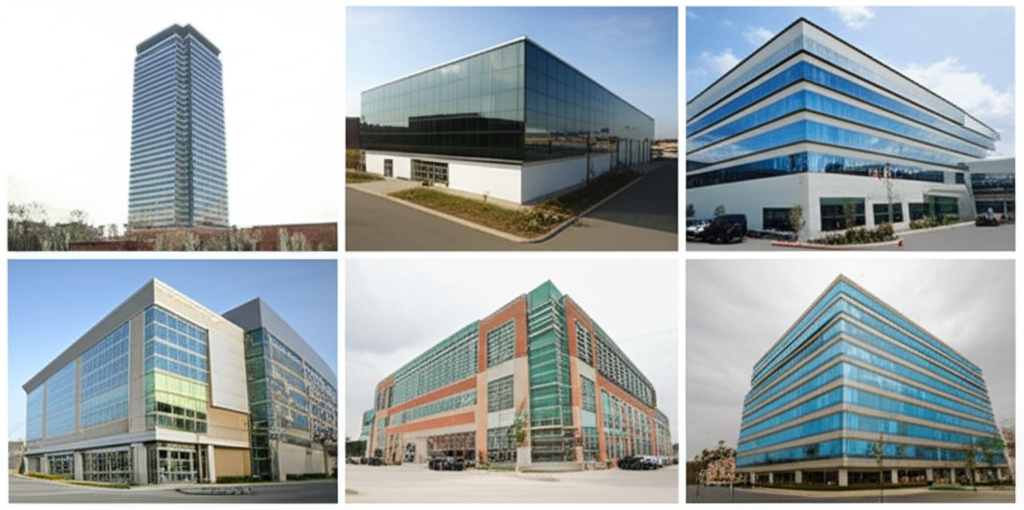
REIT property types span industrial facilities, office buildings, retail centers, residential apartments, data centers, healthcare properties, hotels, self-storage, and more.
Physical Risk Is Location-Specific
Physical risk is NOT evenly distributed. Two REITs in the same sector can face vastly different exposures depending on property location and construction.
This geographic dimension is critical. Physical risk must be assessed at the property and portfolio level—not just by sector label.
Multi-Hazard Climate Exposure
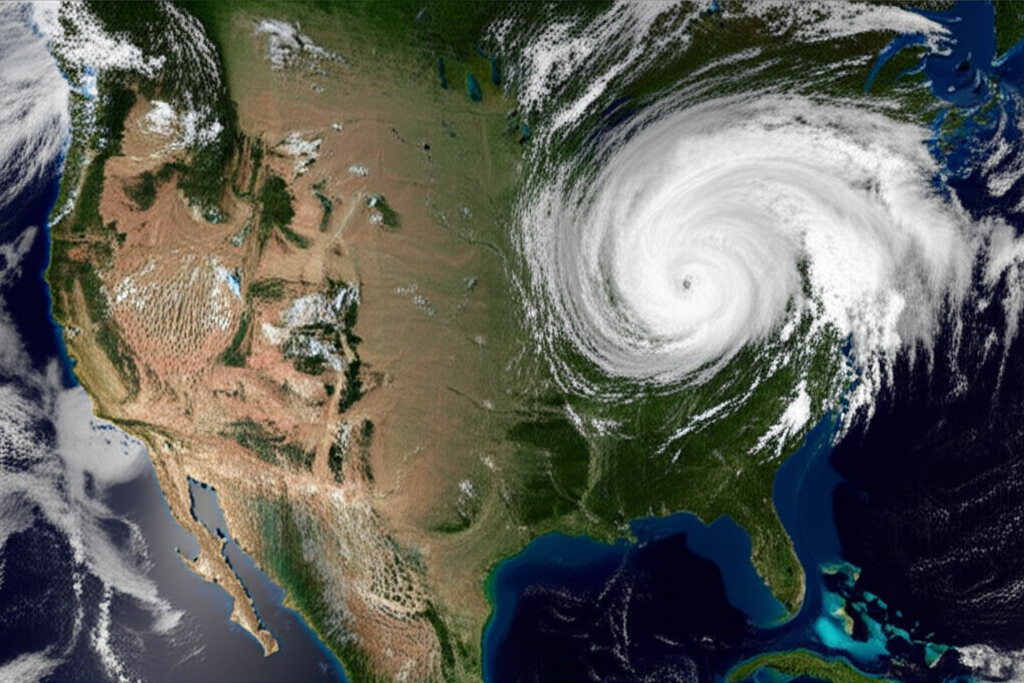
Climate risk is not a single variable. Properties across the United States face different combinations of perils—and many face multiple hazards simultaneously. Understanding this multi-hazard exposure is essential for accurate risk assessment.
Insurance: Where Climate Risk Hits the Bottom Line
Insurance is the main way physical risk becomes a financial variable for REITs. In recent years, property insurance premiums have outpaced general inflation, especially in regions exposed to hurricanes, wildfires, and flooding.
What Insurers Are Doing
- Raising premiums
- Increasing deductibles
- Narrowing coverage
- Refusing new business in high-risk areas
For REITs, these changes show up directly in operating costs and can affect earnings volatility, property valuations, and financing terms.
Why REITs Need Climate-Resilient Strategies
Real estate assets are long-lived, but insurance and financing terms reset frequently. This mismatch means changes in physical risk or insurance conditions can surface quickly, altering a property's economics without any change in location or use.
For REITs with large, geographically diverse portfolios, understanding and managing these dynamics is now essential. Regardless of beliefs about causes, the severity and frequency of extreme weather events are dramatically increasing. Insurers are feeling the impact, and the financial consequences flow through to underlying properties.
Why Climate Risk Matters for Real Estate Investing
1. Extreme weather is becoming more common and more damaging
Floods, hurricanes, wildfires, heat waves, and other extreme weather events are happening more often and causing extensive damage to buildings and communities. These risks can affect property values, insurance costs, operational efficiencies, and long-term returns.
2. Forward-looking risk differentiation within a diversified REIT allocation
Climate-aware investing goes beyond traditional REIT indexes by evaluating climate and extreme-weather risk at the underlying property level and portfolio level, rather than relying solely on sector or geographic exposure. This provides risk differentiation while maintaining diversified, passive exposure.
3. Insurance-grade analytics in a transparent, rules-based structure
Using the same climate and extreme-weather models that insurers use—calibrated using decades of actual insurance claims and loss data. These models are built with extremely economically aligned incentives: the costs of getting them wrong are potentially existential to insurers.
The Case for a Climate-Resilient REIT Index
As climate risks become more visible and financially material, investors need tools to identify REITs that are better positioned to withstand and adapt to these challenges. A climate-resilient REIT index helps investors:
- Target portfolios with lower exposure to physical risk
- Identify REITs with better insurance coverage positioning
- Find more robust risk management practices
- Align investments with long-term durability
Explore the Climate-Resilient REIT Index
Learn how CLIMX uses insurance-grade analytics to identify climate-resilient REITs.