Catastrophe modeling is one of the most important—and least understood—analytical frameworks shaping how physical risk is priced, transferred, and absorbed across the global economy.
The Scale of the Problem
The trend is clear: average annual disaster counts rose from fewer than 5 events per year in the 1980s to over 20 events per year since 2020.
The Protection Gap
Insured losses represent only 35–40% of total economic losses. The protection gap—the difference between economic and insured losses—represents risk that falls directly on property owners, governments, and communities.
Why Catastrophe Modeling Exists
Traditional insurance pricing relied on backward-looking averages: historical claims, regional loss ratios, and qualitative judgment. That approach began to fail as rare, high-severity events dominated loss outcomes.
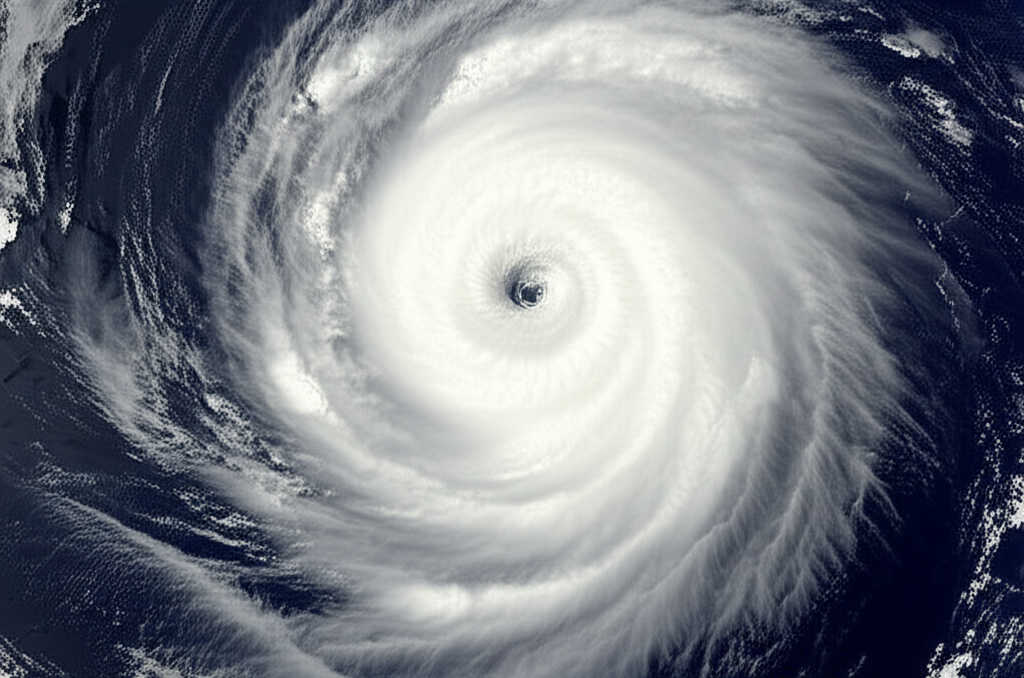
The Turning Point: Hurricane Andrew (1992)
Hurricane Andrew caused approximately $27 billion in losses (1992 dollars), far exceeding insurer expectations and contributing to multiple insurer insolvencies. The lesson was clear: rare events dominate long-term loss distributions and cannot be understood through short historical samples alone.
Catastrophe modeling emerged to answer three fundamental questions:
What events are physically possible?
How often might they occur?
What would they cost if they did?
Four Integrated Components
1. Hazard
Describes the physical phenomenon: storm frequency, track density, wind speed distributions, precipitation intensity, storm surge, fault geometry, rupture probability, and more. Models are calibrated using long-term observational records, physics-based simulations, and peer-reviewed research.
2. Exposure
Assets being analyzed, characterized by location (latitude/longitude), replacement cost, use type and occupancy, and structural characteristics. Portfolio resolution matters: 500 properties distributed across regions behaves differently from 500 clustered in a single hazard corridor.
3. Vulnerability
Functions mapping hazard intensity to expected damage, derived from engineering studies, post-event damage surveys, and laboratory testing. Different building types respond differently to the same hazard intensity.
4. Financial Loss
Converts physical damage into economic and insured loss: repair and reconstruction costs, contents losses, business interruption, and demand surge effects. The output is not a single number, but a loss distribution describing both expected and extreme outcomes.
Why Insurers Depend on These Models
Insurers are capital-constrained entities. Regulators require solvency under extreme but plausible scenarios (e.g., "1-in-200-year" events). Catastrophe models are used to:
- Set underwriting limits by region and peril
- Price insurance policies and deductibles
- Structure reinsurance programs
- Allocate capital across lines of business
- Satisfy regulatory stress-testing requirements
Reinsurers, whose portfolios are globally diversified but highly tail-exposed, rely on these models even more heavily. Their business depends on accurately pricing catastrophic risk across geographies and perils.
Beyond Insurance
As catastrophe losses grow and insurance markets reprice risk, these models become relevant far beyond the insurance industry. They now inform decision-making for:
- Real asset owners — Evaluating long-term property durability
- Infrastructure investors — Assessing physical risk in long-duration assets
- Banks and lenders — Understanding collateral risk and mortgage exposure
- Index providers — Incorporating physical risk into investment products
- Regulators and policymakers — Stress-testing financial system resilience
Catastrophe models provide a common quantitative language for discussing physical risk across markets—connecting insurers, investors, and policymakers through shared analytical frameworks.
Portfolio Aggregation: Correlation Matters
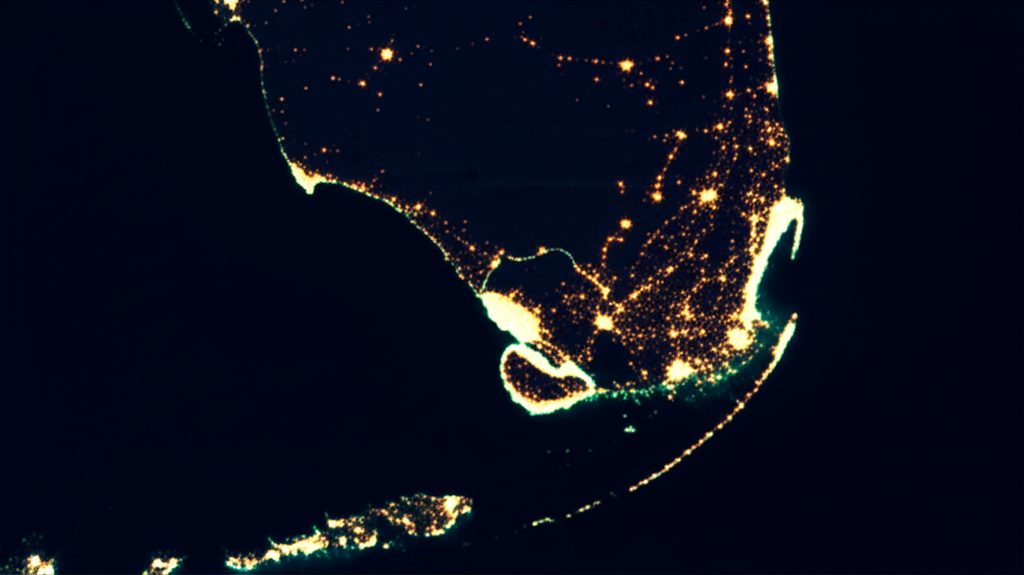
One of the most important insights: losses are not independent. A single hurricane can affect thousands of properties simultaneously. A major flood can impair an entire metropolitan region.
Portfolio aggregation explicitly models spatial correlation. This is why geographic concentration is often more important than asset count when assessing risk. For asset owners, diversification must be evaluated spatially, not just numerically.
Key Takeaway
Catastrophe modeling exists because rare events dominate real-world losses, and historical averages are insufficient. By combining physical science, engineering, and probabilistic simulation, these models provide structured insight into how physical risk translates into financial outcomes.
They don't predict the future—they frame uncertainty in measurable, comparable terms.